How to Write a Florida Public Records Request Letter
By the end of this article you will have a fillable request letter and understand why each part is there. You will also know what to leave out and how to track the request after you send it.
What does a good Florida public records request letter do?
A good request letter does three things. First, it tells the custodian exactly which records you want so they can find them without guessing. Second, it puts your rights on record: the legal basis, the format you want, and the cost limit you will accept. Third, it creates a paper trail. If the agency stalls or overcharges, a clear letter is the foundation of any follow-up.
Section 119.07(1)(a), Florida Statutes, gives every person the right to inspect and copy public records. Article I, section 24 of the Florida Constitution backs that right at the constitutional level. You do not need a lawyer to assert it. You do not need to explain why you want the records. You do not need to give your name.
The template
Copy the letter below. Fill in the bracketed sections. Remove the brackets before you send it.
Why does each part of the letter matter?
Each section of the template does a specific job. Here is what each piece covers.
How does the subject line and statutory citation help?
Citing "Chapter 119, Florida Statutes" and "Article I, Section 24 of the Florida Constitution" in the subject line tells the custodian immediately that this is a formal public records request, not a general information question. It also signals that you know your rights, which can speed up processing.
Who do I address the letter to?
Address it to the "Public Records Custodian" of the agency. You do not need to know the custodian's name. Using the title is enough. If you happen to know the specific division that holds the records, add that in the address line.
How do I describe the records I want?
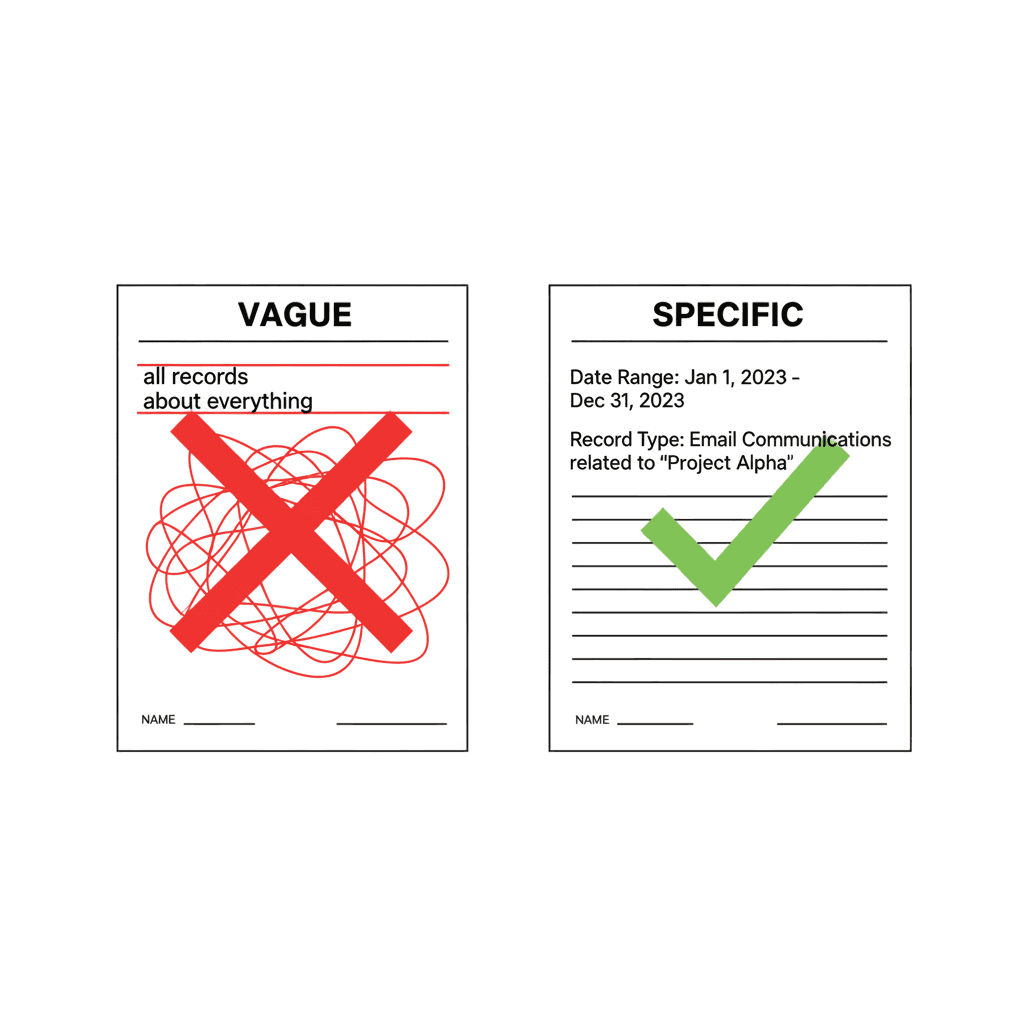
Describe the records by type, date range, the custodians or units that would have them, and the subject matter. Avoid "all documents about everything." Specificity helps both sides. The more clearly you describe what you want, the faster the agency can locate it and the harder it is for them to claim the request is overbroad or unclear.
For email requests, name the specific officials whose accounts you want searched and include both sent and received messages. If you think records may be on personal devices or personal accounts used for official business, say so explicitly. Florida law applies to records wherever they are held, as long as the content relates to official business.
Can I ask for records in a specific format?
Yes. Section 119.01(2), Florida Statutes, requires agencies to provide records in the format you request if they maintain the record in that format. If you want emails as native email files rather than printouts, say so. If you want audio in its original file format, say so. The agency cannot force you to accept a less useful format without justification.
What is the cost cap clause and why does it matter?
The cost cap clause asks the agency to contact you before processing if costs will exceed your stated limit. Under Section 119.07(4), Florida Statutes, agencies can charge up to 15 cents per one-sided page for standard copies. They can also add a special service charge for requests that require extensive staff time or information technology resources. Without a cost cap, you could receive a large bill before you know how many records exist. Set a cap that matches what you can authorize without prior approval.
Should I offer to inspect in person?
Yes, if cost is a concern. Section 119.07(1)(a) gives you the right to inspect records in person at no cost. You only pay copying fees if you want to take copies with you. Offering inspection in the letter gives the agency an easy out on cost and removes one potential stall tactic.
What response time should I expect?
Florida law does not set a specific day count for responses to Chapter 119 requests. The custodian must acknowledge the request promptly and respond in good faith. What counts as prompt depends on the complexity and volume of the request. For simple requests, a response within a few business days is reasonable. For large or complex requests, agencies have more time, but they cannot impose automatic delays. See our article on how long a Florida agency has to respond for more detail.
What should I leave out of my request?
Leave out your reason for requesting the records. Florida law says the agency cannot require you to explain your purpose, and explaining it can sometimes invite debate over whether the purpose is proper. Leave that door closed. Also leave out personal information you do not want in the agency's files. You can request anonymously. If you are willing to receive records by email, provide an email address. If you want to stay anonymous, offer to pick up the records in person or provide an address just for delivery.
How do I send the request?
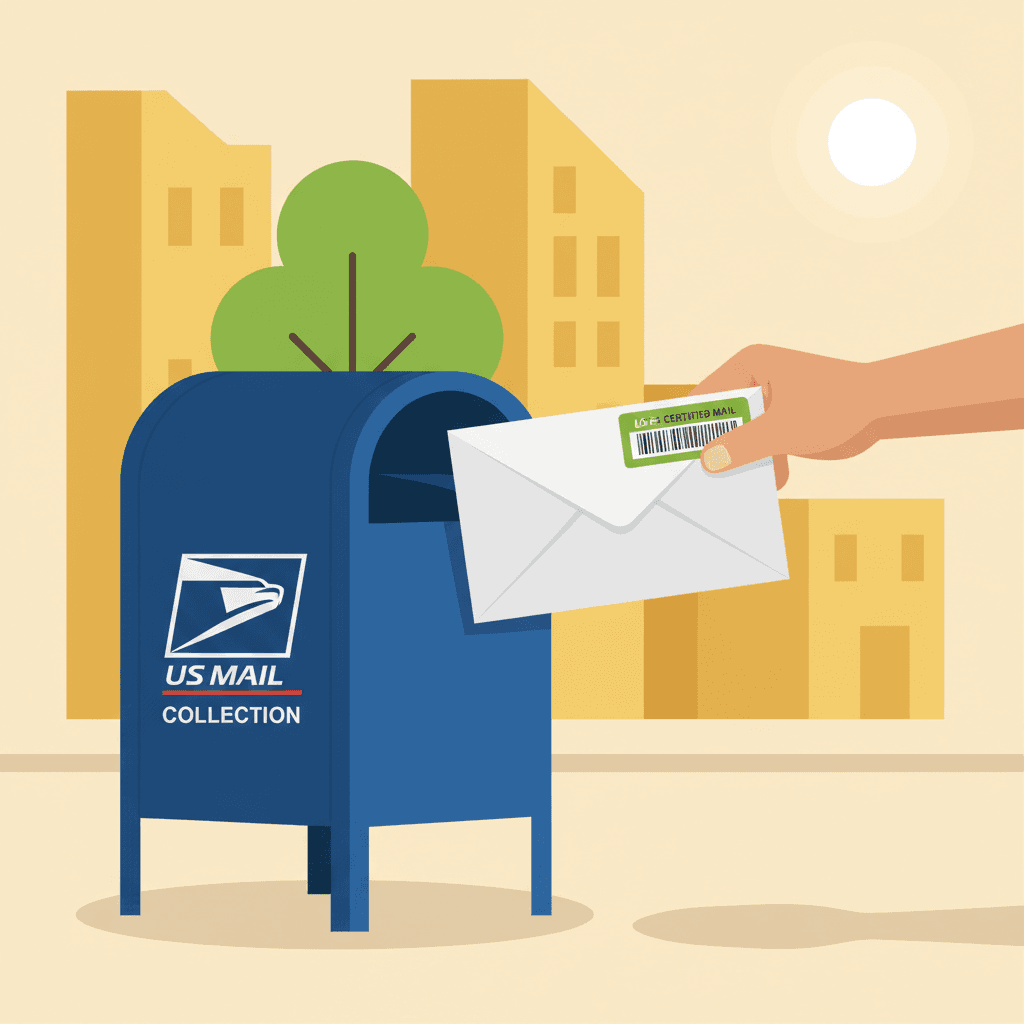
Email, certified mail, in-person delivery, or an agency online portal all work under Florida law. Email is fastest. Certified mail provides a delivery record and a return receipt. In-person delivery lets you hand the request directly to the records unit and ask for a date-stamped copy.
Whatever method you use, keep a copy of exactly what you sent and when. The timestamp matters if you later need to show that the agency delayed.
What do I do after I send the request?
Log the date you sent the request. Note the agency, the custodian address, and the records you asked for. Set a calendar reminder for two weeks out to check whether you received an acknowledgment. If you heard nothing after two weeks, send a follow-up citing the original request date and asking for a status update. A written follow-up is better than a phone call because it adds to the paper trail.
If the agency denies your request, they must tell you the specific statutory exemption they are relying on. If they cannot point to a specific exemption, the denial is not proper. See our article on what to do if your Florida public records request is denied for next steps.
For a full walkthrough of the request process, see how to request public records in Florida.
Related
- How to request public records in Florida
- Do I have to give my name or reason for a Florida public records request?
- How much can a Florida agency charge for public records?
- How long does a Florida agency have to respond to a public records request?
- What to do if your Florida public records request is denied
Frequently asked questions
- Do I need to use a specific form to request Florida public records?
- No. A clear written request that identifies the records is enough. Chapter 119, Florida Statutes, does not require a special form.
- Should I send my request by email or by mail?
- Either works under Florida law. Email is faster. Certified mail creates a clear delivery record. Whatever method you use, keep a copy of what you sent.
- Do I have to give my name or explain why I want the records?
- No. Florida law does not require you to identify yourself or state your reason for requesting public records. You can request anonymously.
- What if the agency has its own online portal?
- Use it if you want, but keep your own record of exactly what you submitted and when. Agency portals do not change your rights under Chapter 119.
- What is a cost cap clause and why does it matter?
- A cost cap clause asks the agency to contact you before processing if copying costs will exceed a stated amount. It protects you from surprise bills, especially on larger requests.
- Can I ask to inspect the records in person instead of getting copies?
- Yes. Section 119.07(1)(a), Florida Statutes, gives you the right to inspect records in person at no charge. You only pay copying fees if you want copies.
Not legal advice. Educational and informational content only. Reading this site does not create an attorney-client relationship. For advice on a specific matter, consult a licensed Florida attorney.